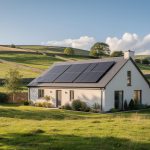

Try staring at that energy bill over breakfast, coffee stubbornly cooling, eyes landing on the digits that refuse to shrink and only leap higher each season, all while that pale Yorkshire sky glares down. The time when solar panels for Yorkshire homes felt out of reach has long passed. Now, some see a necessity, not a gadget for the neighbor’s roof. The question? How fast the switch pays off and how many would smile wider in 2026 with extra pounds saved.
Grey streets, tiled rooftops, glances that flicker upwards—change is no longer a whisper but visible, even on days clouds win. The numbers sit right, incentives multiply, and yes, the balance tips in favor of those who act. Let’s not drag it out: the landscape has flipped. Specialists like Premier Electrical Renewables continue to guide Yorkshire homeowners through the transition.
A voir aussi : How Can Decorative Plaster Moulding Transform the Look of Your Home?
The landscape for solar panels in Yorkshire, climate and policy
Spring gusts, early dusk in winter, and then those surprising light-filled June evenings stretching beyond bedtime. Not everyone expects Yorkshire sunlight to count for much. Wrong again. Actual data from both the Met Office and Solar Trade Association punctuates the doubters: sunlight spreads out more generously than the drizzle stories recall. In the north and south, recorded irradiation spans 950 to 1100 kilowatt-hours per square metre each year. Not enough, some claim. Yet installations keep popping up, roofs in Scarborough or Leeds or Whitby bearing witness that the local weather no longer scares off technology.
Councils move at speed. In 2026, feed-in tariffs have receded. The Smart Export Guarantee steps in—now households return power to the grid and see 5 to 8 pence for every exported kilowatt. Government policy slashes VAT to zero for home installations below 12 kilowatts, and local authorities like Leeds sometimes sprinkle small extra grants for first-timers.
Dans le meme genre : Transform your outdoors with top garden designers in kent
The local climate and its effect on Yorkshire solar panels
Each map tells a different story—but southern Yorkshire sits higher, with 1100 kilowatt-hours per square metre per year, the dales at 950. Summer stretches daylight to 17 hours, quietly building your surplus even as evenings slip past bedtime. New panel tech now shrugs off drizzle, fog, and stubborn cloud—all those days that once sent homeowners back inside with a shake of the head. Tesla and SunPower, among others, headline with their statistics: 85 percent of annual performance held steady even in mixed gloom. Local installations often beat projections. That old concern about constant grey? Buried by hard evidence, not promises.
The regulatory shifts and local advantages for solar panel adoption
Forget old red tape dramas—the story turned positive, quietly but definitely. Export tariffs jump across Yorkshire: 5 to 8 pence per kilowatt-hour, better than most expect. Grants from certain councils stack with VAT relief and the lightweight need for permissions on most modern homes. Conservation area? Yes, sometimes documents stack up, but installers take control, certified under the MCS scheme, guiding paperwork and promising no missed steps. No shock that Harrogate’s civic push wants clean energy on every roof within four years. Doubt fades when the bureaucracy actually helps, for once.
The rewards of adopting solar panels in Yorkshire, savings and impact
No need for guesswork when bills grumble higher each quarter. Government figures from 2026? Four kilowatts costs £6,200 upfront. Slice grants and VAT savings through—under £5,400 becomes real for a standard semi in Leeds or York. Annual savings race upward, £740 or more, shrinking payback to eight years. Stack those numbers with Smart Export payouts: another £100 to £200 slides into accounts each year, powered by a sky long underestimated. These numbers prompt action, turning hesitant browsers into confirmed buyers.
The climate argument stands tall, easy to grasp between local policy pledges and genuine agency statistics. Every home moving to solar in Yorkshire means over 950 kilograms of carbon dioxide saved yearly. Multiply across an estate; add clean air data from zones like Leeds, where measured pollution drops when solar spreads. Grids shift greener, neighborhoods boast more than words, and no greenwashing allowed.
Houses ride a separate current. Property studies—Rightmove and Zoopla both—report sales uplift. Solar panels notch home values up by 3 to 4 percent, lists shorten their “time unsold” and, more striking, buyers stop haggling as hard. Estate agents cite solar as a differentiator worth pounds and days, not theoretical debate.
The pathway for installing solar panels in Yorkshire, each phase matters
It begins simply, with a surveyor climbing the tiles. Which way faces south? Any oak tree stealing the sun? No question too small or ignored, certified installers weigh every nuance. MCS approval sits non-negotiable. Quotes fall on the kitchen table, itemized and transparent, muting worry yet underscoring every detail that might shift a final price.
The work of installation and connection
Scaffold appears, panels and batteries by the drive, a crew moving briskly. Over two or three days, the patch of house earns its first current, connections sealed tight, inspections thorough. No cowboy jobs—local firms chase compliance and safety with each bolt. Paperwork follows, from certificates to notification of grid registration. Witness a single anecdote: in Wakefield, a certain Nigel confessed, “Tea never felt the same with the meter running backward. Even my son checked the monitor after school.”
Hard not to see those small wins as huge, especially when installation drama fades to a steady new normal.
The rhythm of maintaining solar panel performance
Panels barely disrupt the schedule—rain clears grime, but a gentle brush, once a year, makes numbers jump back up. Safety checks favor connectors, inverters, not the glass. Each brand pairs an app with the kit—Yorkshire’s own SolarEdge and Enphase stand out for tracking, alerting users to ever-shifting daylight. Year-one service finds its way into most contracts; after that, performance rarely slides. Spot a dip? Professionals jump in fast, minimizing loss and panic alike.
The dilemmas before fitting solar panels in Yorkshire, right questions not all answered
Roof by roof, some shine and others wait. Steep, south-facing spaces flirt with top returns. Shaded or northward? Lower output, perhaps, but with enough resilience for determined owners. Installers probe into structure, tile age, and access, flagging risk in old slates worn thin by moorland wind storms. Reliability and safety, not just performance, ride on those pre-checks. No single house escapes scrutiny.
The options in solar panel technology and supplier type
- Monocrystalline: top efficiency, pricier, tightest spaces win
- Polycrystalline: mid-budget, city semis and big detached houses balance cost and yield
- Thin-film: lowest cost, odd corners, weak roofs, not for all
| Panel type | Efficiency | Cost | Best for |
|---|---|---|---|
| Monocrystalline | 19% to 22% | Higher | Small roofs maximizing output |
| Polycrystalline | 16% to 18% | Moderate | Larger roof, focus on value |
| Thin-film | 11% to 13% | Lowest | Unusual shapes, less solid supports |
Local outfits with MCS certificates top referral lists: Project Solar, Yorkshire Solar Energy, any name flagged by the Renewable Energy Consumer Code promises recourse and warranty security. Buyers probe into product lifespan, check warranty coverage, and negotiate deals as fiercely as on car forecourts. Trust grows by transparency, not hype or one-size-fits-all promises.
The answers to frequent solar panel questions in Yorkshire, numbers not hype
How long to break even? Spreadsheets pile up, updated in 2026 by the Energy Saving Trust. Most new systems recoup costs inside eight years, sometimes just six. Grid prices keep climbing, squeezing payback toward the lower end of the old estimate range. Tariffs for exported power nudge above eight pence per kilowatt hour—Yorkshire sits a notch higher than the national mean.
Investment returns appear sturdy, those adding batteries edge ahead, especially as market fluctuations keep stories lively.
The reality of solar panel performance in Yorkshire’s climate
Skeptics drag out the “too cloudy, too cold” claim, but output tests by Which and Solar Energy UK score brand-new panel sets at over 80 percent of peak even on full cloud. Surveys for the Yorkshire Post turn up owners surprised at steady output “on days with less sunlight than a November dawn.” Myths fall to actual performance figures, not anecdotes lost at the barber’s chair.
Decisions move block by block. The streets of Yorkshire do not hurry but do refuse to stall. The moment for change sounds loudest when bills whisper trouble. Energy realities write themselves in black and white; delay means letting the system favor someone else. Which household will claim both savings and a story to share?